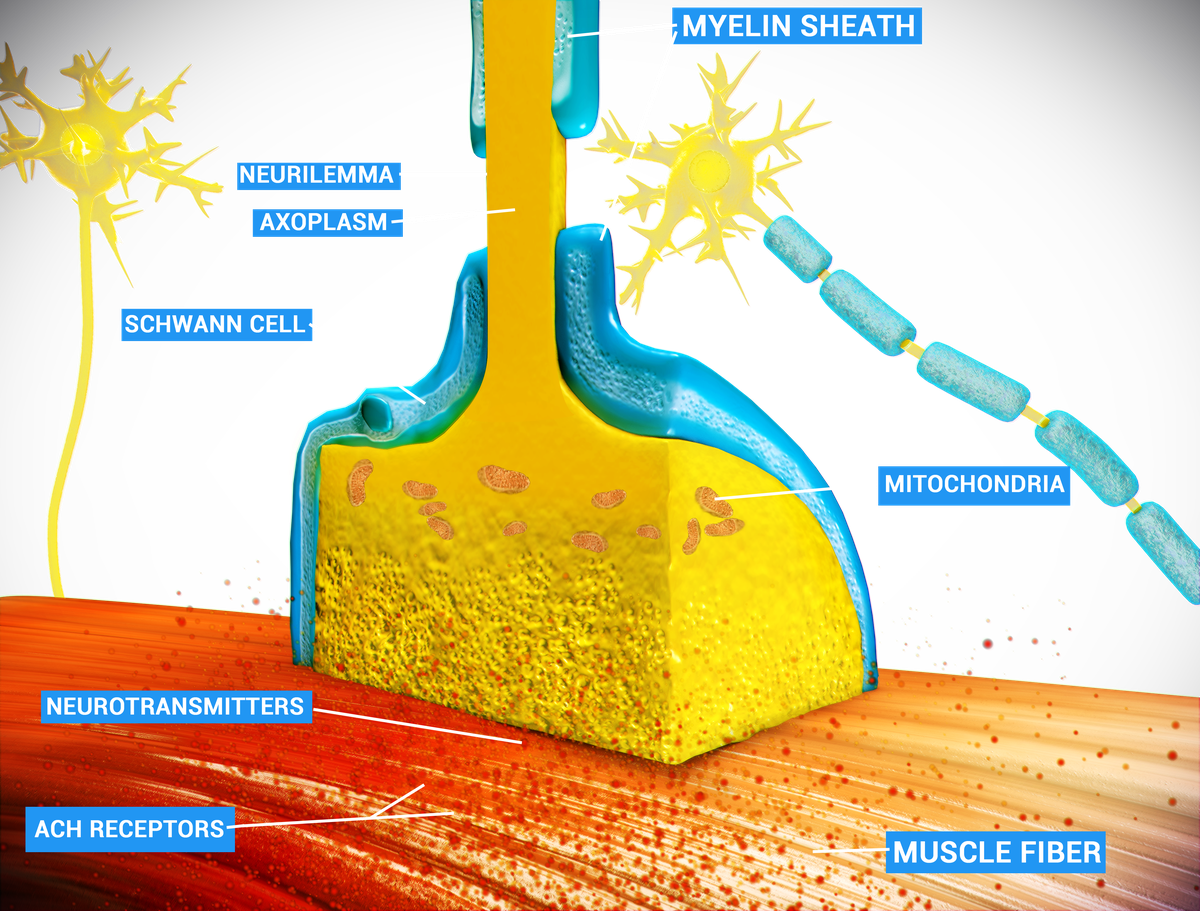
Botulinum toxin (Botox) is a purified pharmaceutical product derived from a protein produced by the bacterium Clostridium botulinum. It works by temporarily blocking nerve signals to muscles, thereby weakening the contraction of those muscles. In addition to its cosmetic use for reducing dynamic wrinkles—such as those on the forehead, between the eyebrows, and around the eyes—caused by repeated facial muscle contractions, it is also used to treat various medical conditions, including chronic migraines, hyperhidrosis (excessive sweating), overactive bladder, and eyelid spasms. Effects typically begin to appear around 3 to 4 days after treatment and are fully established within 10 to 14 days; the duration of effect is generally reported to be approximately 3 to 4 months, though this varies by individual. As this is a non-surgical procedure, patients can usually resume their daily activities immediately afterward, but precautions—such as avoiding rubbing the injection sites—are necessary. Reactions such as bruising, redness, headaches, and, in rare cases, drooping eyelids may occur; therefore, it is important to confirm the injection site, dosage, frequency, and your individual muscle condition during a consultation. This information is for reference only and does not constitute a diagnosis. Please consult a specialist before undergoing the procedure.
[Source] https://my.clevelandclinic.org/health/treatments/8312-botulinum-toxin-injections