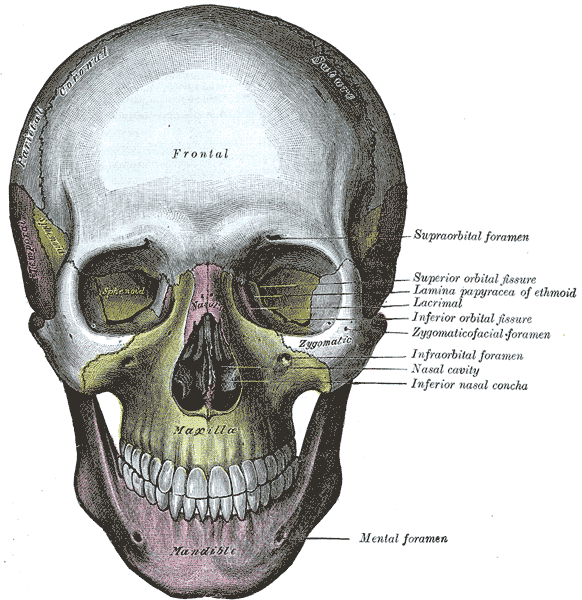
There are two main causes of a square jaw: a bony factor, in which the angle of the lower jaw (mandibular angle) protrudes laterally; and a muscular factor, in which the masseter muscle—the muscle used for chewing—has thickened. If the bony factor is prominent, an osteotomy procedure is considered, in which the protruding outer portion of the mandibular angle is shaved down through an incision inside the mouth. According to data from Asan Medical Center in Seoul, square jaw surgery requires general anesthesia; swelling typically peaks 2–3 days after surgery and begins to subside around days 4–5, with a return to daily activities generally expected after approximately two weeks. The recovery period and extent of recovery vary significantly from person to person. On the other hand, if masseter muscle hypertrophy is the primary cause, a non-surgical approach using botulinum toxin to reduce muscle volume is available; however, according to reviewed studies, the effects generally last 3–6 months, requiring repeat treatments, and this method does not alter the bone itself. During your consultation, it is helpful to confirm whether the cause is bony or muscular, assess the possibility of nerve damage or asymmetry, and discuss the anesthesia method and recovery plan. This information is for reference only and does not constitute a diagnosis. Please consult a specialist regarding the actual procedure.
[Source] https://ps.amc.seoul.kr/asan/depts/ps/K/content.do?menuId=1359 · https://pmc.ncbi.nlm.nih.gov/articles/PMC11860558/