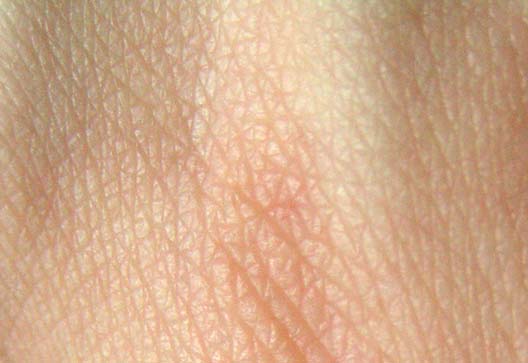
A fractional laser divides the laser beam into numerous microscopic treatment zones (microthermal treatment zones) and delivers it to the skin in a dot-like pattern. By leaving healthy tissue between the damaged areas to promote rapid healing, it removes damaged cells from the epidermis and stimulates collagen production in the dermis. Based on this principle, it is used to treat acne and surgical scars, enlarged pores, fine lines, photoaging, and pigmentation. There are two types of treatments: non-ablative methods, which do not remove the surface layer of skin, and ablative methods (such as CO₂ and Nd:YAG), which act at a deeper level; the recovery periods differ between these two types. After the procedure, you may experience a burning sensation for about an hour, redness for 3–5 days, a bronze-like discoloration and peeling for 3–14 days, and mild swelling for 2–3 days. The procedure is typically repeated several times at one-month intervals, and results gradually become apparent over 3–4 months. Since there are risks such as post-inflammatory hyperpigmentation, it is important to adjust the settings to suit your skin type and follow proper aftercare. This information is for reference only and does not constitute a diagnosis. Please consult a specialist before undergoing the actual procedure.
[Source] https://dermnetnz.org/topics/fractional-laser-treatment