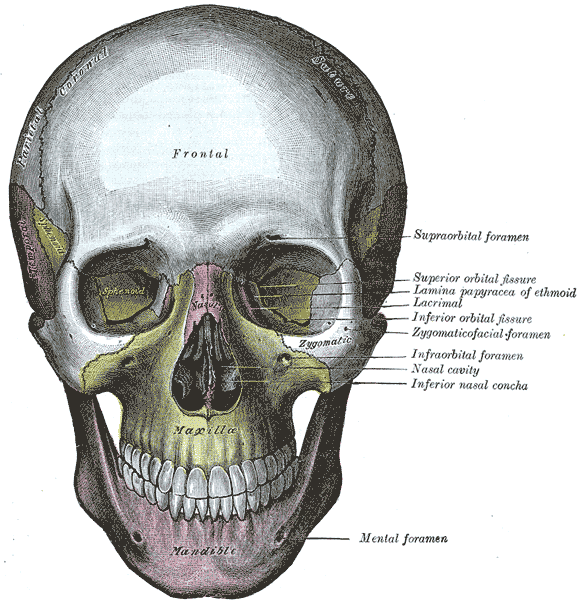
The main methods for reshaping the chin include sliding genioplasty, which involves cutting and repositioning the bone, and chin reduction surgery, which reduces the size of a large chin. According to the Cleveland Clinic, sliding genioplasty involves making an incision inside the mouth, cutting a section of the jawbone, and repositioning it forward, backward, or sideways before securing it with screws or metal plates; as a result, the scar remains inside the mouth and is not visible externally. Mentoplasty involves shaving or cutting down a protruding or large jawbone to reshape it symmetrically. Both procedures are performed under general anesthesia. While pain is generally mild, and a diet of soft foods and rest are recommended, swelling and bruising may persist for up to about two weeks, and the extent of recovery varies significantly from person to person. Numbness or changes in sensation in the chin or lower lip are cited as potential risks. During your consultation, it is helpful to discuss the direction of bone repositioning, fixation methods, nerve-related risks, and the recovery plan. This information is for educational purposes only and does not constitute a diagnosis. Please consult a specialist regarding actual procedures.
[Source] https://my.clevelandclinic.org/health/treatments/24041-sliding-genioplasty · https://my.clevelandclinic.org/health/treatments/24244-chin-reduction-surgery