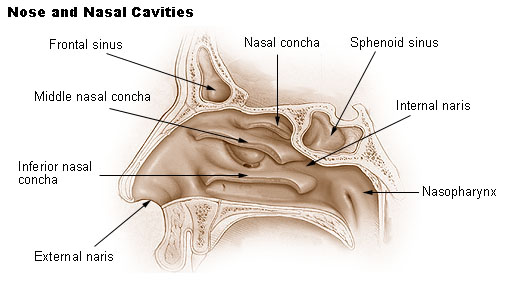
A “hump nose” refers to a nose with a prominent bump (hump) along the side of the bridge, while a “crooked nose” refers to a nose where the bridge is shifted to one side, making it appear curved when viewed from the front. Correction of a humped nose typically involves reshaping the protruding bony or cartilaginous hump to smooth out the profile; in some cases, this must be accompanied by a procedure to narrow the bridge of the nose by bringing the bones together to prevent it from widening after the hump is reduced. In the case of a crooked nose, the issue often extends beyond the external appearance to include a deviated internal nasal septum, so the process of realigning and supporting the structure is treated as a priority. For this reason, cosmetic correction is often intertwined with functional issues such as septal deviation. If the procedure involves bone work, swelling and bruising may last longer, and the possibility of subtle misalignment recurring over time is also mentioned as a factor to consider. Results vary depending on the original bone structure and skin condition, and recovery times differ significantly from person to person. This information is for informational purposes only and does not constitute a diagnosis. Please consult a specialist regarding actual procedures.
[Source] https://my.clevelandclinic.org/health/treatments/11011-rhinoplasty · https://my.clevelandclinic.org/health/diseases/16924-deviated-septum