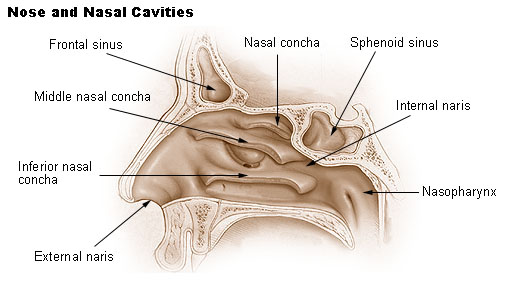
The nasal septum is a wall of cartilage and bone that divides the nostrils into left and right sides. A deviation of this wall to one side is called a deviated septum; according to data, a significant number of people have some degree of deviation, though many are asymptomatic. Severe deviation can cause symptoms such as one-sided nasal congestion, nosebleeds, snoring, headaches, and facial pain. It can be present from birth or result from trauma (such as a broken nose). If symptoms are mild, treatment with medications such as intranasal steroid sprays or antihistamines is typically recommended first. If fundamental correction is necessary, septoplasty—a procedure to reshape the deviated septum and improve airflow—is considered an option. In some cases, rhinoplasty is performed to address both cosmetic concerns and functional issues. Since the need for treatment varies depending on the severity of symptoms and the underlying cause, it is advisable to identify the cause if nasal congestion persists; results may vary significantly from person to person. This information is for informational purposes only and does not constitute a diagnosis. Please consult a specialist regarding actual procedures.
[Source] https://my.clevelandclinic.org/health/diseases/16924-deviated-septum